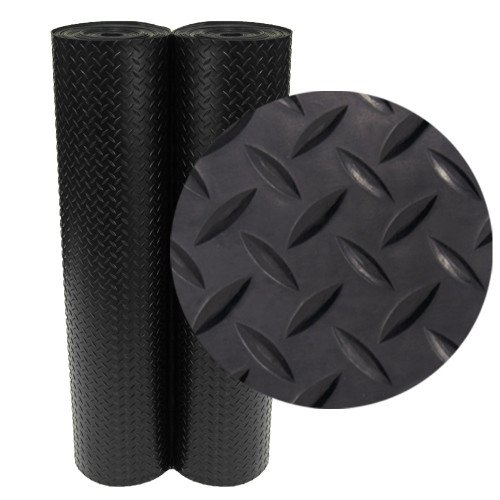
"BBQ Under Grill Mat"
$57.99 - $120.00

Commercial Doormats & Runners
And Those Using the Stairs!
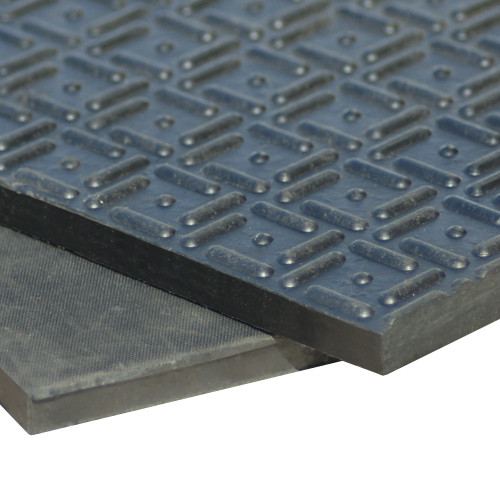
Outdoor grilling can expose decks and patios to grease, cooking oils, food spills, moisture, heat, and stray embers. Rubber-Cal’s BBQ and grill floor mats provide a practical layer of protection between your cooking area and the surface underneath, helping maintain the condition and appearance of outdoor flooring throughout the grilling season.
Manufactured from durable, weather-resistant recycled rubber, these mats are designed to perform reliably in outdoor environments exposed to changing temperatures and weather conditions. The resilient rubber surface helps contain common grilling messes while providing a dependable barrier against moisture, grease, and heat. A high-traction design also helps the mat remain securely positioned beneath and around grilling equipment, minimizing unwanted movement during use.
Routine maintenance is straightforward. Grease, food residue, and everyday outdoor debris can be removed with a quick rinse from a hose or a simple wipe with a damp cloth. Suitable for decks, patios, and other outdoor entertaining areas, Rubber-Cal’s grill mats offer an effective way to protect valuable surfaces while maintaining a cleaner and more organized cooking space.


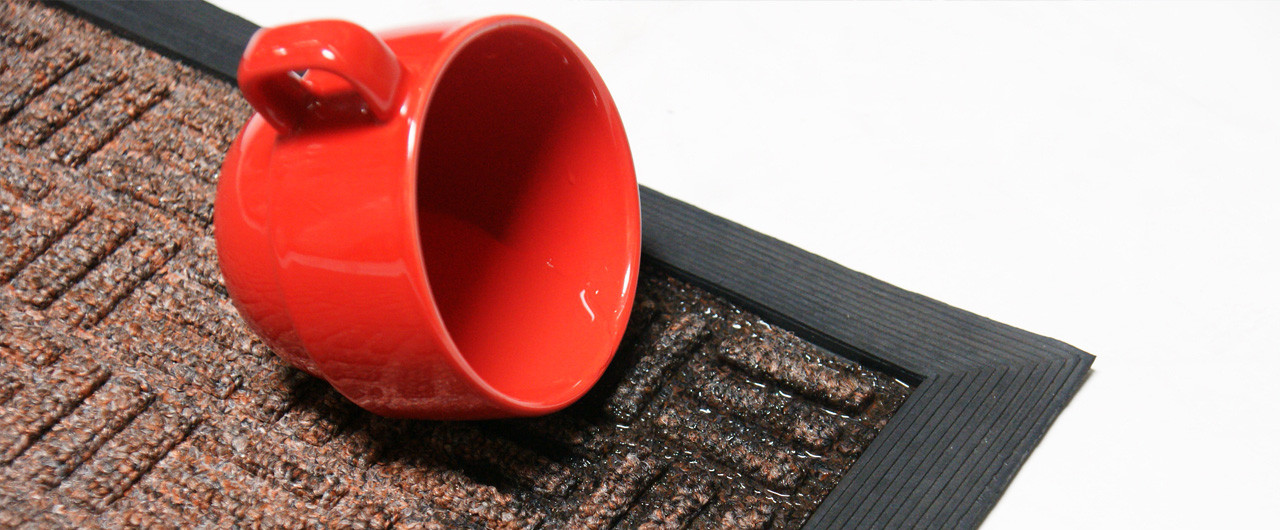
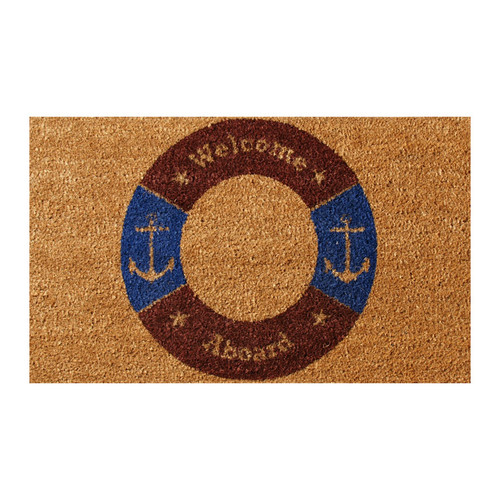
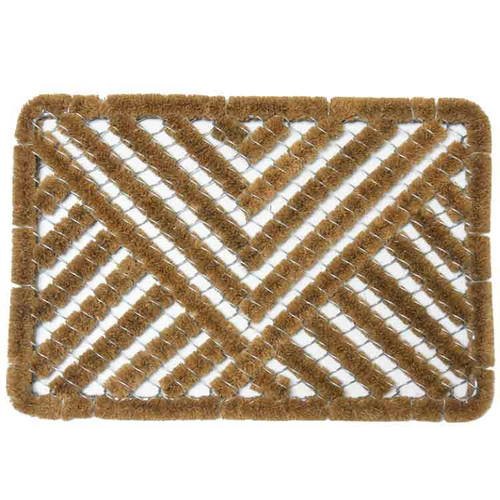
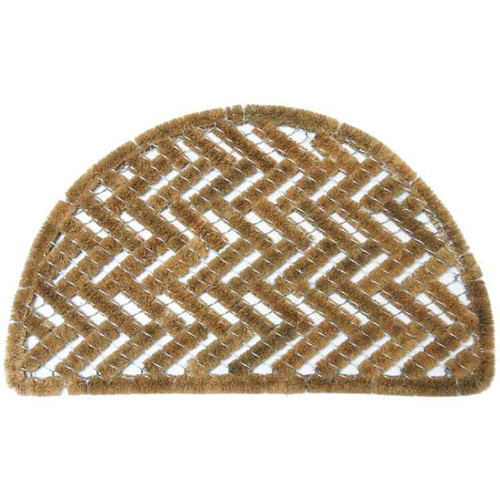
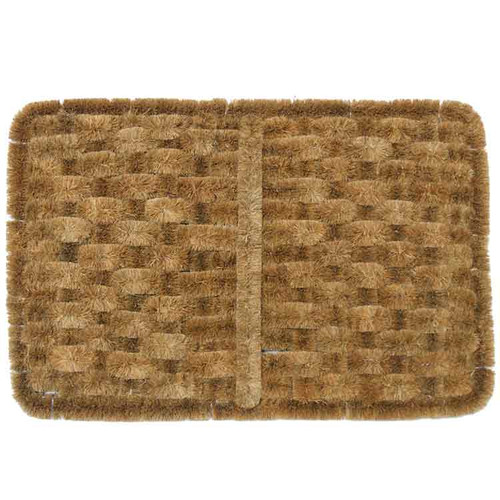
Entryways are the first line of defense against dirt and debris being tracked into a building. During periods of increased foot traffic, dry soil, sand, grass clippings, mud, and other outdoor particles can quickly accumulate indoors. Rubber-Cal’s coir entrance mats provide an effective solution for capturing this debris at the doorway before it reaches interior flooring. Constructed from durable natural coir fibers, the textured surface is designed to thoroughly scrape dirt, mud, sand, and loose debris from footwear. A sturdy vulcanized rubber backing provides additional weight and stability, helping the mat remain firmly positioned while reducing slipping, shifting, and bunching in frequently used entryways and damp conditions.
Designed for continued outdoor exposure, these entrance mats withstand sunlight, seasonal rainfall, and regular foot traffic while resisting premature fraying and fading. Their functional construction makes them suitable for a variety of entrances, including homes, offices, storefronts, patios, and other frequently accessed doorways. By capturing debris before it travels indoors, Rubber-Cal’s coir entrance mats help protect interior flooring and reduce the time required for routine cleaning. The combination of effective scraping performance, dependable traction, and a clean appearance provides a practical entryway solution for residential and business environments alike.
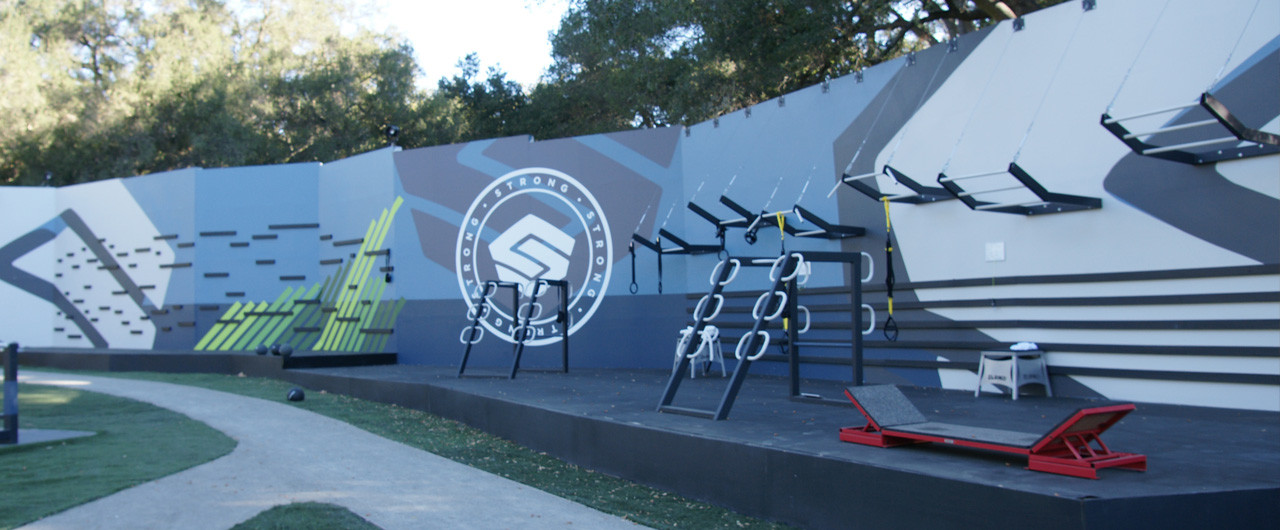
A properly designed training area requires flooring capable of handling repeated impact, equipment weight, movement, and demanding daily exercise. Rubber-Cal’s recycled rubber gym flooring provides a durable and supportive foundation for home gyms, garage workout areas, fitness studios, and professional training facilities.
Manufactured from high-density recycled rubber, the flooring absorbs impact generated by barbells, kettlebells, dumbbells, and other heavy fitness equipment. This resilient construction helps protect the underlying subfloor while reducing vibration and unwanted noise created during weight training and other high-impact activities. The rubber surface also provides cushioning underfoot, contributing to a more comfortable and supportive training environment. Slip-resistant properties provide dependable traction during strength training, functional fitness, cardio exercises, and high-intensity workouts. Even as training becomes more demanding, the stable surface helps users maintain secure footing and move confidently between exercises.
Rubber-Cal’s fitness flooring is available in interlocking tiles and rolled mats, providing installation options for spaces of different sizes and configurations. Interlocking tiles offer a convenient modular format, while rolled rubber provides efficient coverage for larger training areas. Both options make it possible to create a durable, professional-quality fitness space with minimal installation complexity. From protecting subfloors and reducing impact to improving traction and supporting everyday workouts, recycled rubber gym flooring provides the performance needed to create a reliable training environment designed for consistent, long-term use.